How To Germinate Cannabis Seeds Using Peat Pellets
Starting cannabis plants from seed is one of the most exciting parts of growing, but it is also the stage where many beginners make mistakes. A seed might look simple, but the first few days of its life are when it is most vulnerable. Too much water, poor temperature, or disturbing the young root can easily stop the process before it even begins.
There are many different ways to germinate cannabis seeds. Some growers swear by the paper towel method, while others prefer planting directly into soil. However, for beginners, peat pellets are one of the easiest and most reliable options because they give the seed a small, controlled environment where it can develop before being moved into a larger pot.
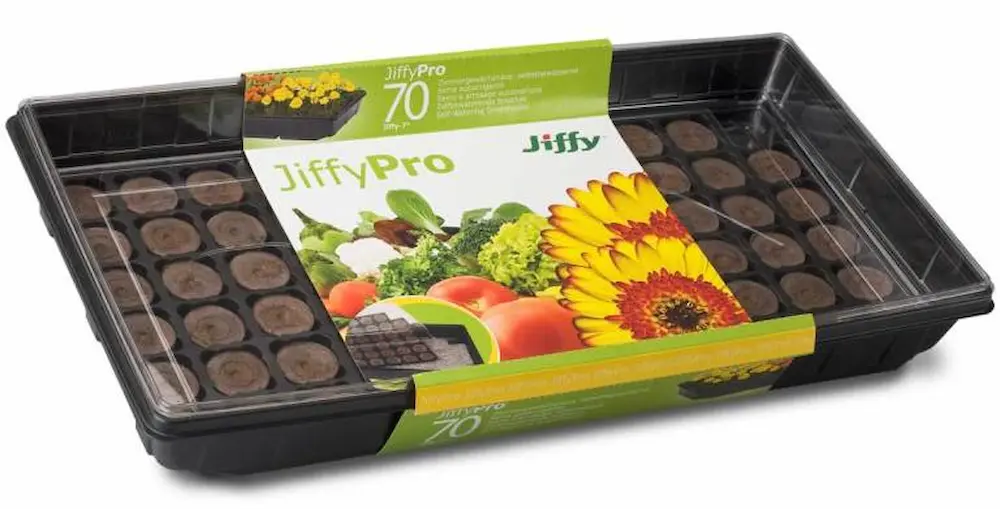
Peat pellets, sometimes sold under names like Jiffy pellets, are compressed discs made from peat moss. Once soaked in water, they expand into a small growing medium with enough moisture to encourage germination while still allowing oxygen to reach the developing root.
This makes them a great middle ground between the simplicity of planting directly into soil and the extra monitoring required with methods like paper towels.
In this guide, we will go through exactly how to germinate cannabis seeds using peat pellets, when to move your seedling into a bigger container, and the mistakes you should avoid along the way.
Why Use Peat Pellets For Germinating Cannabis Seeds?
The main advantage of peat pellets is simplicity.
When a cannabis seed begins germinating, the most important thing is creating a stable environment. The seed needs moisture to soften its outer shell and activate growth, but it also needs oxygen. This is where many beginners go wrong — they assume keeping the seed constantly wet will help it grow faster, when in reality an overly saturated environment can slow down development or cause the seed to rot.
A peat pellet naturally holds moisture while still allowing some airflow through the growing medium. This gives the young root a better chance of developing properly.
Another advantage is that transplanting is much easier. With some germination methods, you need to move a tiny seedling with exposed roots into soil, which can be stressful for the plant. With peat pellets, you can simply move the entire pellet into its next container, reducing the chance of damaging the fragile root system.
For new growers especially, this makes the process much more forgiving.
 View on Amazon
Preparing Your Peat Pellets
Before planting your seed, the first thing you need to do is prepare the peat pellet.
Dry peat pellets are small, compressed discs, but once water is added they expand several times their original size. Place the pellet into a small container or seed tray with the opening facing upwards, then add water and allow it to fully expand.
This usually takes a few minutes.
Once expanded, the pellet should feel damp throughout but not completely soaked. If you squeeze it and water pours out, it is holding too much moisture. Excess water should be removed because the goal is to create a moist environment, not a waterlogged one.
The small hole at the top of the pellet is where the seed will be planted. Most peat pellets already have the perfect opening, so there is no need to create a deep hole yourself.
Choosing And Preparing Your Cannabis Seed
Before planting, it is worth taking a moment to inspect your seed.
A mature cannabis seed is usually hard with a darker colour and often has a striped or patterned appearance. Younger seeds are often pale green or soft, and these are less likely to germinate successfully.
If you are using quality seeds from a reliable source, you usually do not need to do much preparation. The seed already contains everything required to begin growing once the right conditions are provided.
Some growers choose to soak their seeds in water before placing them into peat pellets. This can help soften the outer shell and sometimes speeds up germination, but it is not essential.
Directly planting the seed into the prepared peat pellet works perfectly well.
If you do decide to soak the seed first, avoid leaving it submerged for several days. Seeds still require oxygen, and extended soaking can actually reduce your chances of successful germination.
Planting The Cannabis Seed Into The Peat Pellet
Once your peat pellet is ready, planting the seed is a simple process.
Place the seed into the hole at the top of the pellet and gently push it down. You do not need to bury it very deeply — around half a centimetre to one centimetre is enough.
A common beginner mistake is planting seeds too deep because they assume more soil coverage means better protection. In reality, a young seedling has limited energy stored inside the seed, and forcing it to push through too much material can make the process harder.
After placing the seed, lightly cover the opening with some peat. Avoid pressing down firmly because loose material allows the emerging root and stem to move through more easily.
At this stage, your seed is planted and the main job is simply maintaining the right conditions.
 View at I Love Growing Marijuana
Creating The Right Environment For Germination
The first few days after planting are when patience matters most.
Cannabis seeds generally germinate best in warm conditions. A temperature somewhere around 22–26°C creates a comfortable environment for the seed to activate and begin developing. If the pellet is kept somewhere cold, germination can become much slower.
Before the seedling appears above the surface, light is not the priority. The seed is still using the energy stored inside itself, so keeping the pellet warm and properly hydrated matters more.
Many growers place their pellets inside a small propagator or cover them with a clear container to maintain humidity. This is not absolutely necessary, but it can help prevent the pellet from drying out too quickly.
If you do cover your pellets, remember that fresh air is still important. A completely sealed, constantly wet environment can create problems.
Keeping The Peat Pellet Moist
During germination, check the pellet regularly.
The biggest mistake at this stage is usually overwatering. It is easy to think that adding more water will encourage faster growth, but seeds are not aquatic plants. They need a balance between moisture and oxygen.
The pellet should stay slightly damp. If it starts becoming dry and lighter in colour, add a small amount of water. Avoid pouring large amounts directly over the top because this can disturb the seed or leave the pellet too wet.
A spray bottle works well because it allows you to add moisture gradually.
Once the seed has cracked open and the first root begins developing, unnecessary handling should be avoided. The less you disturb the seed during this stage, the better.
How Long Does Germination Take In Peat Pellets?
Most cannabis seeds will germinate within a few days, usually somewhere between two and seven days.
However, there is no exact timetable. Some seeds can break through the surface within 24–48 hours, while others may take longer depending on genetics, age, storage conditions, and the environment.
One of the worst things a beginner can do is assume a seed has failed too quickly and start digging around to check on it. This often causes more harm than good because the developing root is extremely fragile.
Give the seed time and maintain consistent conditions.
What To Do Once Your Cannabis Seedling Emerges
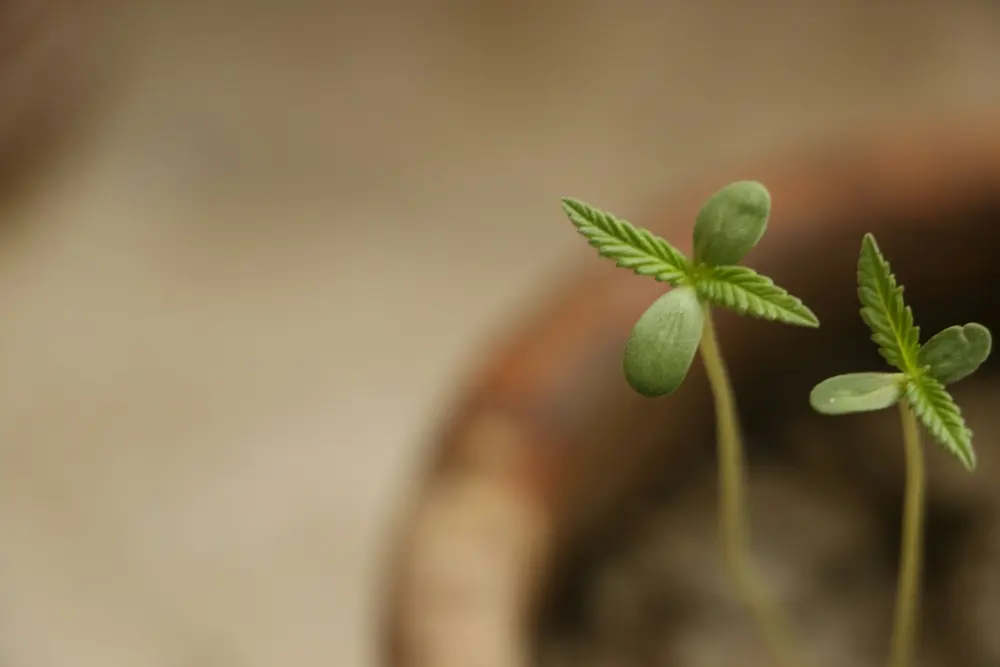
Seeing the first little leaves appear from the peat pellet is one of the most rewarding moments when growing cannabis. After days of waiting, the seed has successfully completed the most delicate part of its journey and is now officially a seedling.
However, this stage still requires some care. Young cannabis plants are much more sensitive than mature plants, and many beginner growers make the mistake of treating a tiny seedling like a fully established plant.
Once the seedling breaks through the surface, light becomes much more important. The plant is no longer relying only on the energy stored inside the seed — it is now beginning photosynthesis and needs light to continue developing.
If you are growing indoors, the light should be positioned close enough for the seedling to receive enough intensity, but not so close that it creates excessive heat or stresses the young plant. Weak lighting can cause the seedling to stretch upwards, creating a thin, unstable stem as it searches for more light.
This is known as “stretching” and it is one of the most common problems beginners encounter during the early stages.
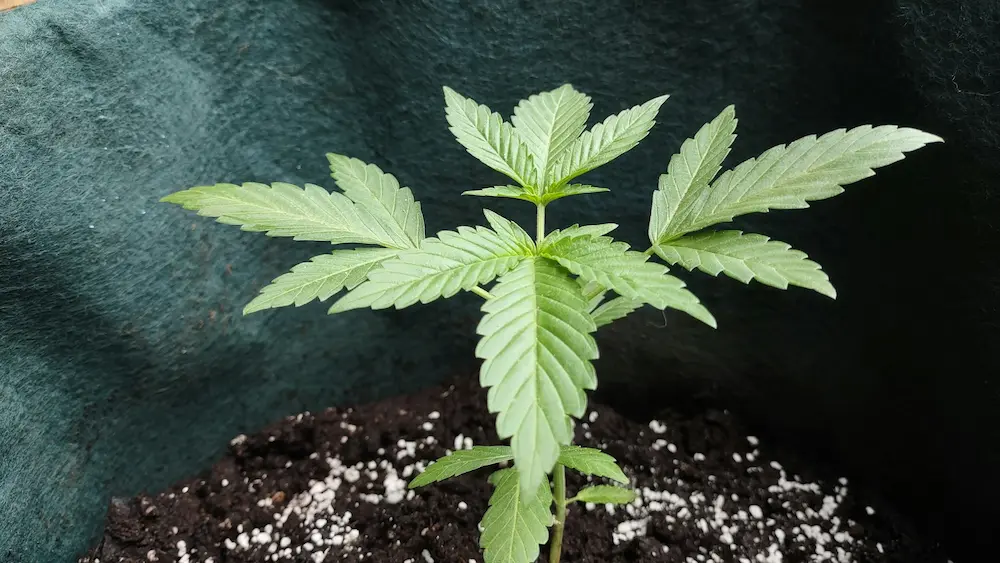
The first leaves you see are called cotyledons. These are not the typical cannabis leaves you will see later — they are the plant’s first food source and contain nutrients that help support early growth. Shortly after, the first true cannabis leaves will begin forming.
At this point, the plant is starting to establish itself and the focus shifts from germination to healthy early growth.
When Should You Remove The Seedling From The Peat Pellet?
One of the biggest benefits of using peat pellets is that you do not need to rush the transplanting process.
A common mistake is moving the seedling too early because the grower is excited to put it into a larger pot. However, a small seedling with a weak root system is much more vulnerable to stress.
The best time to transplant is when the seedling has developed a stronger root system and you begin seeing roots appearing through the outside of the pellet.
Usually, this happens around the time the seedling has developed a few sets of true leaves, although the exact timing depends on how quickly the plant is growing.
The goal is not to leave it in the pellet forever, but also not to move it before the plant is ready.
Think of the peat pellet as a temporary home. Once the roots have filled enough of that space, the plant is ready for more room.
How To Transplant A Cannabis Seedling From A Peat Pellet
Transplanting from a peat pellet is much easier than moving a seedling from loose soil because the root system stays protected.
Prepare your new container with your chosen growing medium before removing the pellet. You want the seedling to spend as little time exposed as possible.
Create a hole large enough for the entire pellet to sit comfortably inside. Place the pellet into the hole and gently cover it with soil or your chosen medium.
The top of the peat pellet should ideally sit level with the surrounding soil. Avoid burying the seedling stem too deeply because excessive moisture around the stem can increase the risk of problems.
When handling the plant, try to avoid touching the stem or pulling on the seedling itself. The safest way is to hold the pellet rather than the plant.
The root system is the most important part of the plant at this stage.
After transplanting, give the plant some time to adjust. It is normal for a seedling to appear slightly slower for a short period after being moved. This does not necessarily mean something went wrong — the plant is simply adapting to its new environment.
Should You Remove The Mesh Around The Peat Pellet?
This is something many new growers wonder about.
Most peat pellets come wrapped in a thin mesh material that holds the pellet together after it expands. Some growers remove this mesh before transplanting, while others leave it intact.
In most cases, leaving the mesh on is completely fine. The material is designed to allow roots to grow through it while keeping the pellet stable.
However, if the mesh appears thick or tightly wrapped, some growers prefer carefully removing it before transplanting. The important thing is not to damage the roots while doing so.
If you decide to remove it, do it gently and avoid pulling apart the pellet aggressively. A small amount of root disturbance is usually less of a problem than damaging the entire root ball.
For beginners, leaving the mesh on is often the safer option.
Common Mistakes When Germinating Cannabis Seeds In Peat Pellets
Although peat pellets are one of the easier germination methods, mistakes can still happen. Most problems come from trying to do too much rather than too little.
Keeping The Pellet Too Wet
This is probably the most common issue.
Many beginners assume that because the seed needs water, the pellet should always be completely soaked. However, a seed needs oxygen as much as it needs moisture.
A constantly saturated pellet can create an environment where the seed struggles to develop properly.
The best approach is to keep the pellet moist and check it regularly rather than constantly adding water.
Planting The Seed Too Deep
Cannabis seeds are small, and the young plant only has limited energy available to push upwards.
Planting too deeply can make it harder for the seedling to reach the surface. In some cases, the seedling can run out of energy before it manages to emerge.
A shallow planting depth is usually enough.
Disturbing The Seed To Check Progress
It can be tempting to dig into the pellet after a few days because you want to see whether the seed has opened.
Try not to do this.
The early root, called the taproot, is extremely delicate. Even small amounts of handling can damage it.
Trust the process and allow the seed to develop naturally.
Giving Too Much Light Too Soon
After the seedling emerges, light is important, but more is not always better.
A tiny seedling does not need the same intense lighting that a mature cannabis plant does. Excessive light intensity can stress the plant and cause issues during early development.
The goal is steady, healthy growth rather than forcing rapid growth immediately.
View at I Love Growing Marijuana
What If My Cannabis Seed Does Not Germinate?
Sometimes a seed simply does not germinate, even when everything appears correct.
This can happen because of seed quality, age, poor storage, or natural variation between seeds. Not every seed has the same viability.
Before assuming something went wrong with your method, consider the conditions the seed was kept in before planting.
Seeds stored correctly in a cool, dark, dry environment can remain viable for years, while seeds exposed to heat, moisture, or poor storage conditions can lose their ability to grow.
If a seed has not germinated after more than a week, you can carefully inspect the pellet, but avoid repeatedly disturbing it. Constant checking is more likely to cause damage than help.
Final Thoughts
Using peat pellets to germinate cannabis seeds is one of the simplest ways to start growing. They provide a stable environment, make transplanting easier, and remove many of the problems beginners face when starting seeds directly in soil.
The biggest thing to remember is that germination is not a race. Seeds do not need constant attention or complicated techniques — they need the right balance of moisture, warmth, and patience.
Keep the pellet slightly moist, avoid disturbing the seed, and allow the plant to develop at its own pace.
Once that small seedling breaks through the surface, you have successfully completed the first step of the growing journey.